



Unlocking Potential: A Deep Dive into Asia’s Middle-Class Women and Old Age Care

Chief Economist
A synopsis of insights from Peak Re’s 2024 Emerging Asia Middle-Class Survey
In an era marked by rapid socio-economic changes, understanding the evolving needs of Asia’s burgeoning middle class is crucial. Peak Re’s latest survey, “Unlocking Potential: Asia’s Middle-Class Women and Old Age Care,” provides valuable insights into this demographic, focusing on four key themes: old age care, women consumer segments, home insurance and consumers’ claims experience.[1]
Old Age Care: A Family Affair
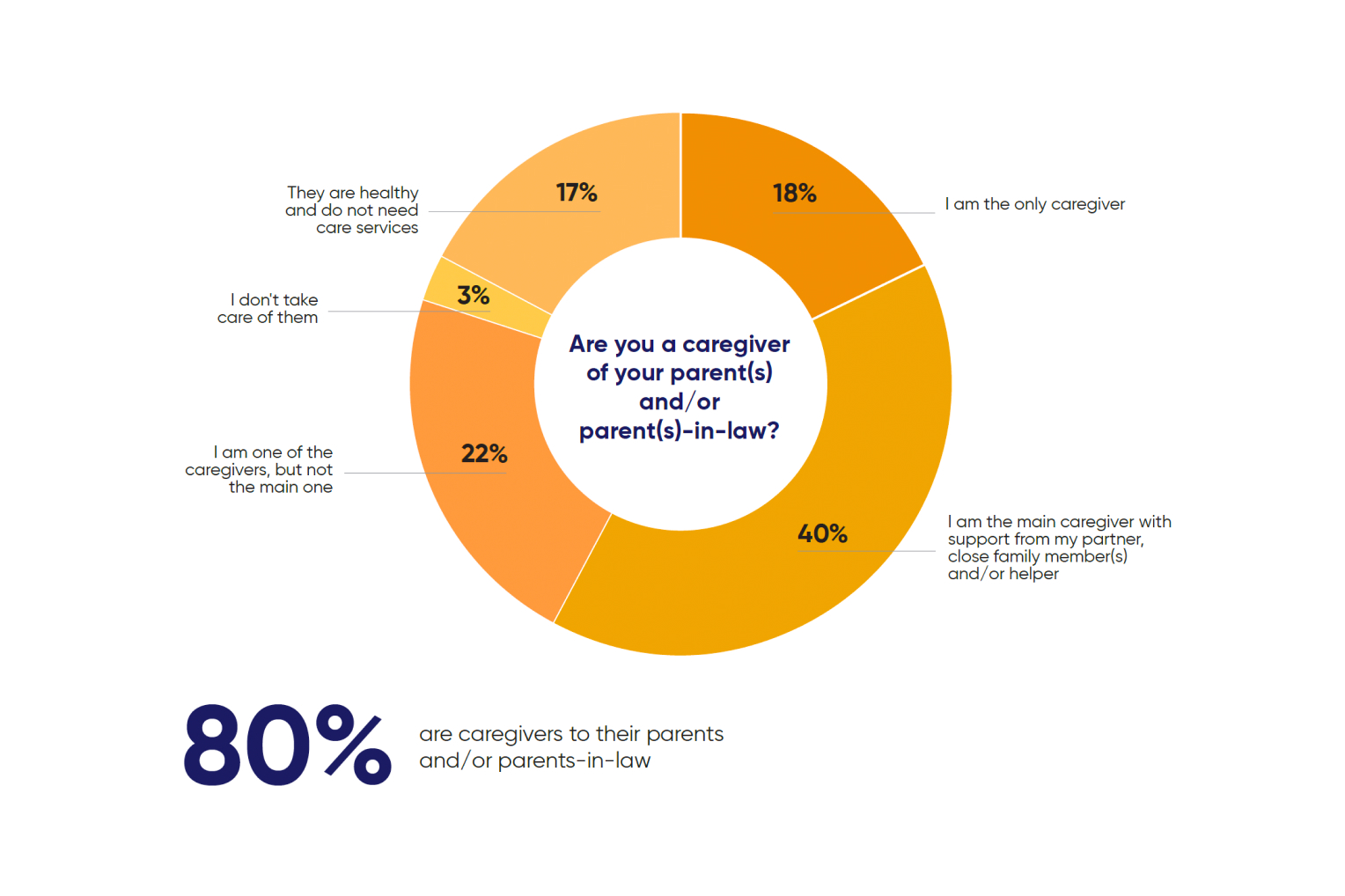
The survey reveals that old age care is a significant concern for Asia’s middle class, with 80% of respondents claiming they are caregivers to their parents and/or in-laws (see Figure 1). Interestingly, while family is a crucial support system for old age care, it is also the number one source of stress for respondents, surpassing work-related stress. This highlights the dual role of family in the context of old age care – as both a support system and a source of stress. The survey also found that family is the third most important source of finance for old age care, higher than government support, the fourth most important source of financing. This underscores the importance of family in the Asian context, not just as caregivers but also as financial supporters.
Figure 1: Are you a caregiver of your parent(s) and/or parent(s)-in-law?
Source: Peak Re Consumer Survey 2024
Women: The Rising Economic Power
The survey also highlights the increasing economic power of women. On average, women account for one-third of total household income, and 21% of women surveyed stated they are the main breadwinners of their households. Most women have their own careers, and 77% of respondents are considered working mothers. This points to the changing dynamics of the Asian household, where women are increasingly contributing to the household income and juggling multiple roles.
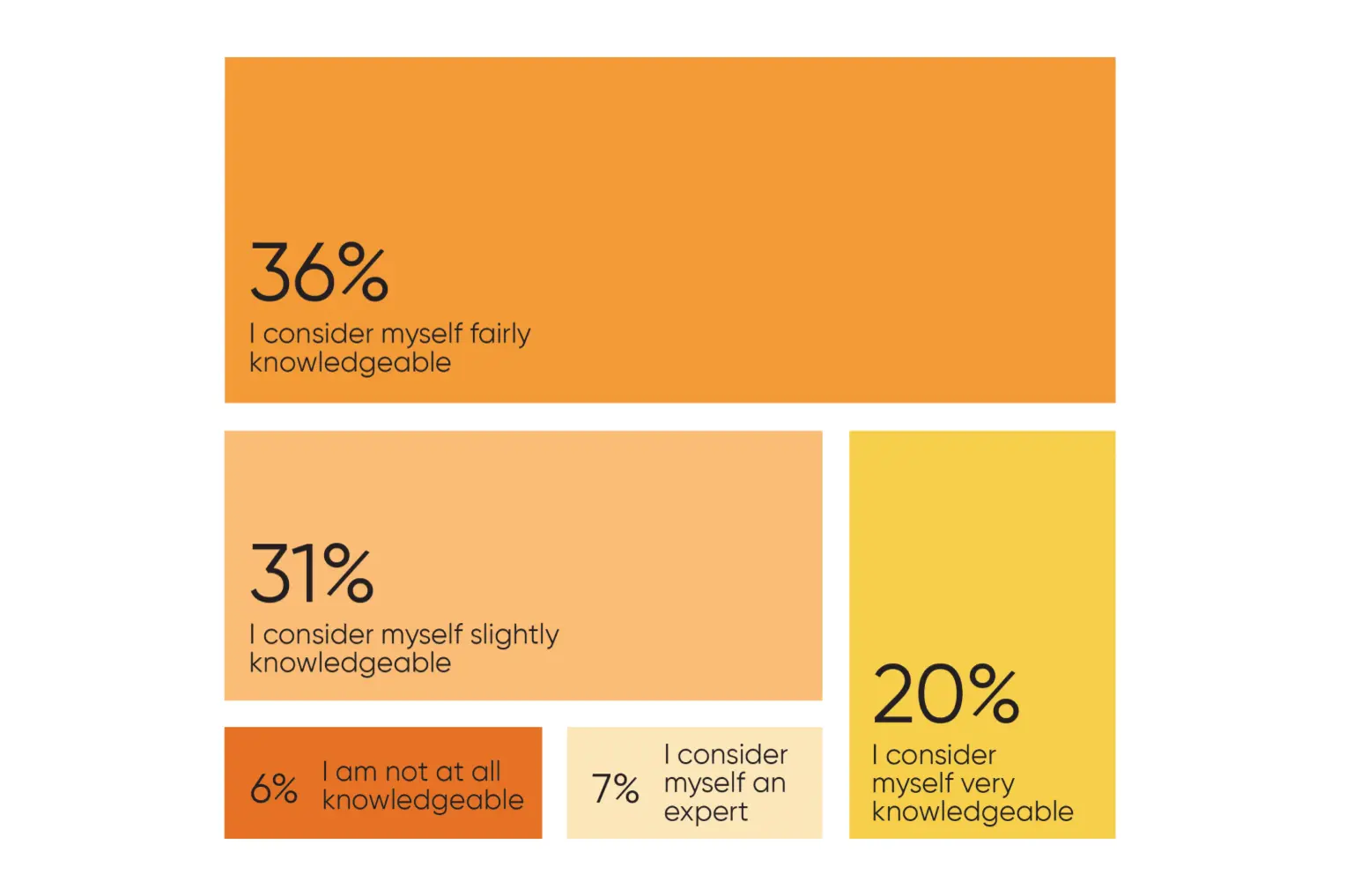
The survey also looked at four women segments – working mothers, independent women, women entrepreneurs, and women breadwinners. There are similarities but also major differences across these segments regarding financial literacy (see Figure 2), ownership of financial and insurance products and other insurance and risk behaviours. Understanding these differences is key to tapping into these various segments to raise insurance penetration.
Figure 2: Self-rated financial literacy among all woman respondents
Source: Peak Re Consumer Survey 2024
Home Insurance: The Underinsurance Gap
The survey delved into the awareness and ownership levels of home insurance across six emerging Asian markets. It revealed that while a majority of participants (55%) are cognizant of home insurance, actual ownership stands at just over a third (38%). The highest rates of ownership were observed in Malaysia and Indonesia, whereas Vietnam and the Philippines registered the lowest. A significant concern highlighted by the survey is the perceived costliness of home insurance. A substantial 60% of respondents deem the premiums to be on the higher end, labelling them as expensive or very expensive.
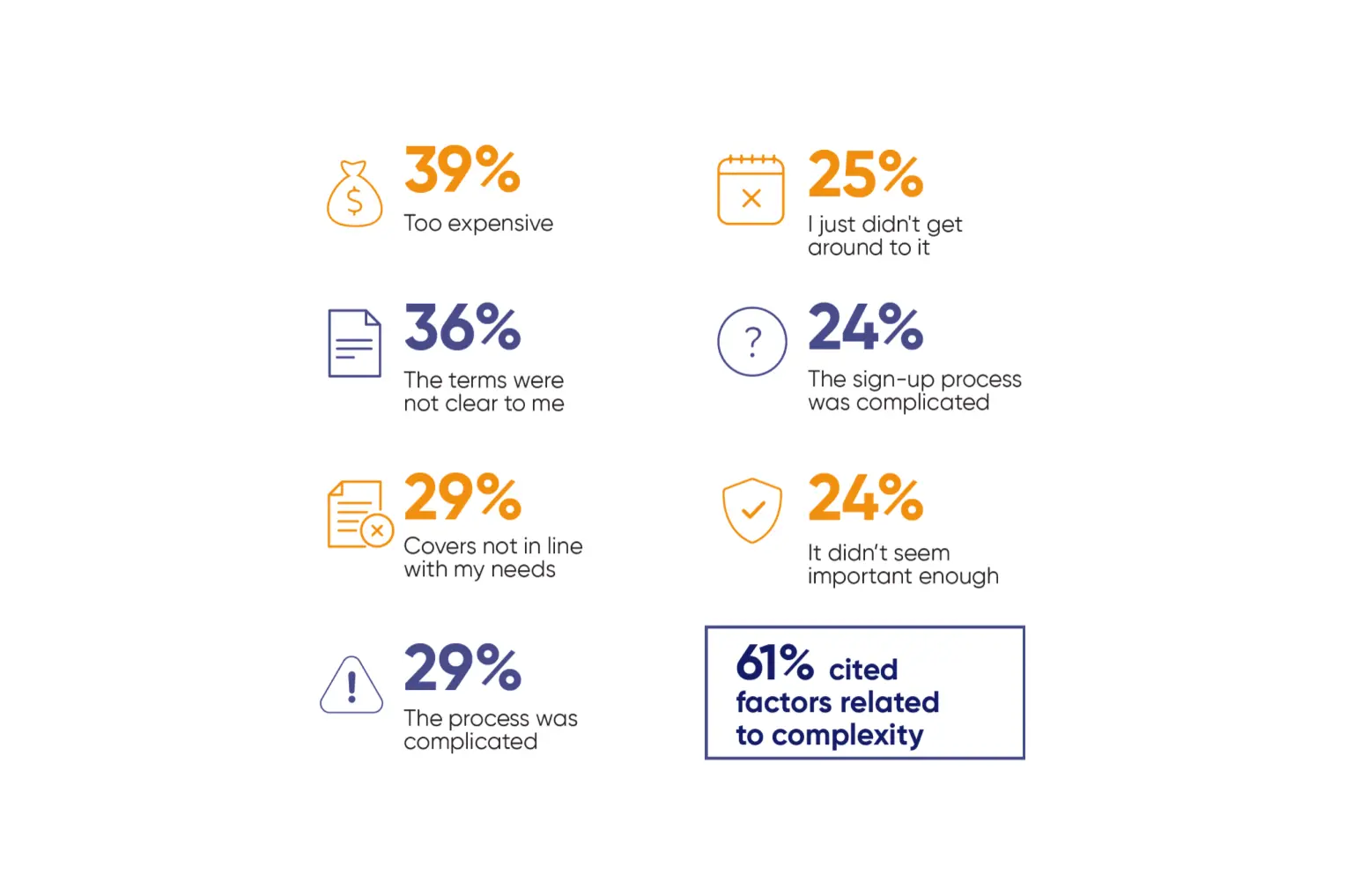
Among those who do not own home insurance, 45% have considered purchasing it but ultimately did not follow through. The primary deterrents identified were the cost and complexity of the insurance products, which led to potential buyers abandoning the purchase process (see Figure 3). The survey suggests that increased flexibility could convert the remaining non-owners into purchasers. This could involve options to customise the coverage to specific belongings or the availability of adjustable insurance terms, such as the duration of coverage.
Figure 3: Key factors for dropping out of the purchase journey (among those who considered but never purchased home insurance)
Source: Peak Re Consumer Survey 2024
Making Insurance Claims: A Common Source of Anxiety
Insurance serves as a crucial safety net, enabling policyholders to swiftly recover from unforeseen events through financial compensation via claims payments. The survey indicates that a significant portion of respondents (55%) have filed an insurance claim within the past two years, with health and motor insurance being the most common types.
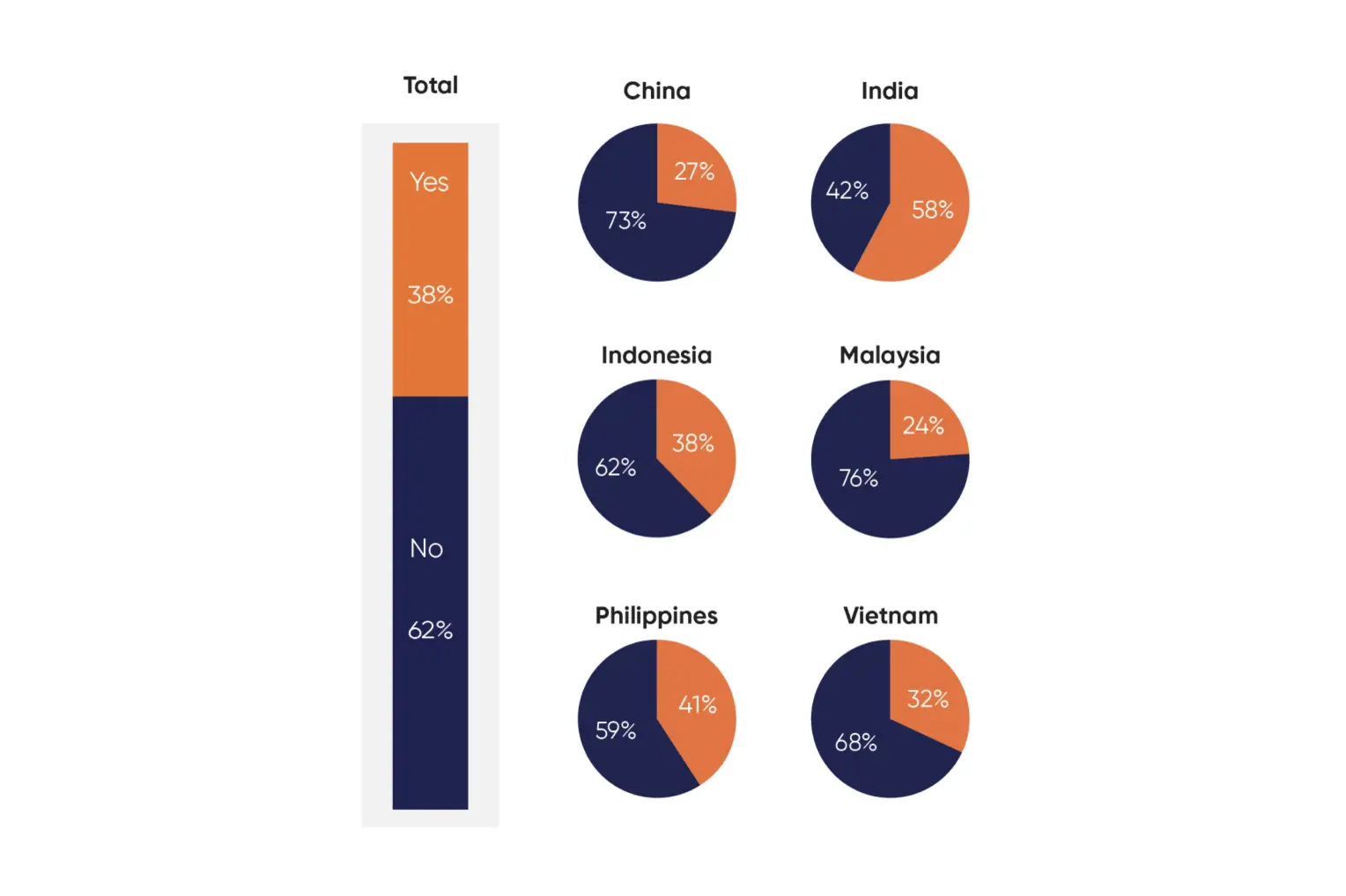
However, it is noteworthy that 38% of individuals have considered filing a claim but ultimately refrained from doing so (see Figure 4). The three most prevalent reasons cited for this hesitation are:
1. The complexity of the claims process.
2. Worries about increased premiums upon next renewals if they have submitted claims.
3. Previous experiences where the claim resulted in minimal compensation from the insurer, discouraging future claims.
The findings also highlight that negative experiences with claims—be it due to procedural complexities, reimbursement delays, or insufficient payouts—can significantly impact customer satisfaction and loyalty towards their insurance providers.
Figure 4: Share of respondents that have considered but decided not to claim
Source: Peak Re Consumer Survey 2024
Addressing Protection Gaps
Despite economic challenges, the survey points to a high level of optimism among Emerging Asia’s middle class. This optimism is driven by the resilience of Emerging Asia economies, which have weathered recent global economic headwinds relatively well. For example, the share of respondents in the Philippines who see themselves moving upwards to a higher socio-economic level over the next 5 years has remained high at around 70%, and in the case of India, it is around 50%. This optimism is a testament to the resilience and growth potential of Emerging Asia’s middle class.
A critical issue for the region is the substantial protection gaps, particularly for natural catastrophes. Insurers can capitalise on these trends by acknowledging the significant differences in consumer needs and preferences across markets and segments. They can also tailor their products and services to meet these needs better. For example, insurers could consider incorporating home care and support for other family members in designing old-age care services. This would not only address the needs of older people but also alleviate the stress on family caregivers.
The findings from Peak Re’s survey underscore the vast opportunities offered by Asia’s rising middle class. Insurers can unlock significant potential in this market by understanding and addressing their unique needs. As we delve deeper into these topics in the upcoming articles, we will continue to explore how insurers can leverage these insights to drive growth and innovation.
Stay tuned for more insights in our next article in this series!
[1] The survey was conducted by Intuit Research between 7 and 24 June 2024, and it included over 7,000 respondents from China, India, Indonesia, Malaysia, the Philippines, and Vietnam.
Other Insights


Wed, 22 Apr 2026
| 16 mins
|
Frankie Chan

Tue, 24 Mar 2026
| 19 mins
|
Kritika Kashyap

Fri, 30 Jan 2026
| 18 mins
|
Kritika Kashyap
Mon, 27 Oct 2025
| 10 mins
|
Kritika Kashyap

Elevate Your Business
with Peak Re
with Peak Re